World Capitals Quiz: Test Your Knowledge of Global Capital Cities
Introduction to World Capitals
Capital cities are among the most important places in every country. They often serve as the political, administrative, and cultural centers of nations. From ancient capitals that have existed for thousands of years to modern planned capitals built specifically for government functions, these cities tell the story of human civilization, leadership, and national identity.
This world capitals quiz is designed to test your knowledge of some of the most famous capitals on Earth while helping you learn fascinating facts about how countries organize themselves and why capitals matter.
What Is a Capital City?
A capital city is typically the city where a country’s government is located. It usually contains government buildings, ministries, parliament, supreme courts, and official residences of national leaders.
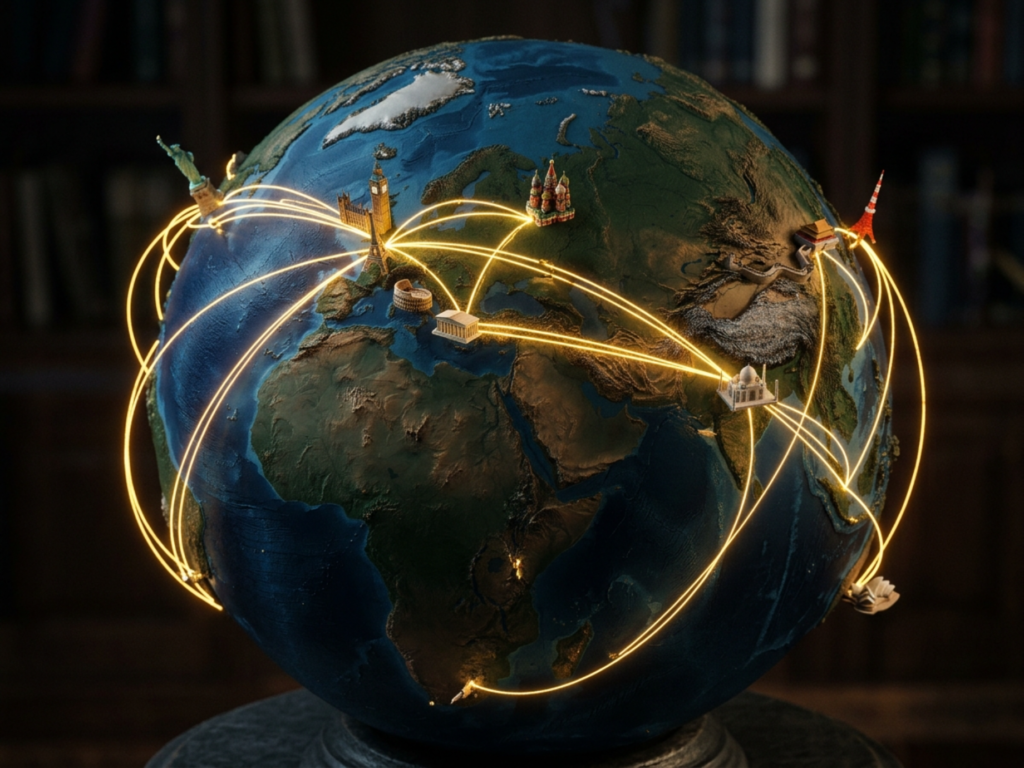
However, capitals are not always the largest cities in a country. Many people assume that the biggest city automatically becomes the capital, but that is not always true. Australia’s capital is Canberra rather than Sydney, Canada’s capital is Ottawa rather than Toronto, and Brazil’s capital is Brasília rather than Rio de Janeiro or São Paulo.
The role of a capital city extends beyond politics. Capitals often symbolize national unity and serve as important cultural and economic centers.
Learn more about capitals:
https://www.britannica.com/topic/capital-national-political-center
Why Countries Choose Certain Cities as Capitals
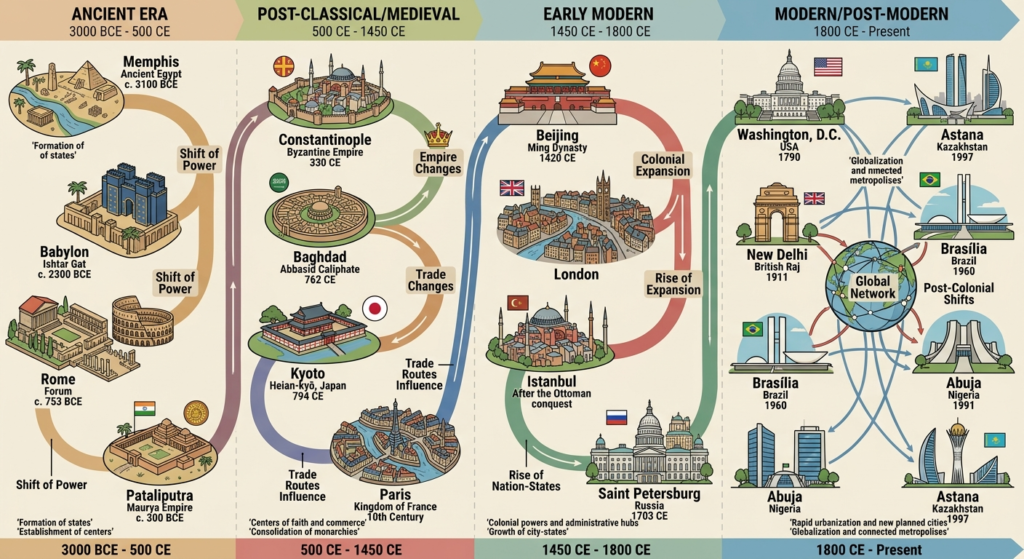
The selection of a capital city depends on many factors. Historical importance is one common reason. Cities such as Paris, London, and Cairo became capitals because they were already centers of power, trade, and culture.
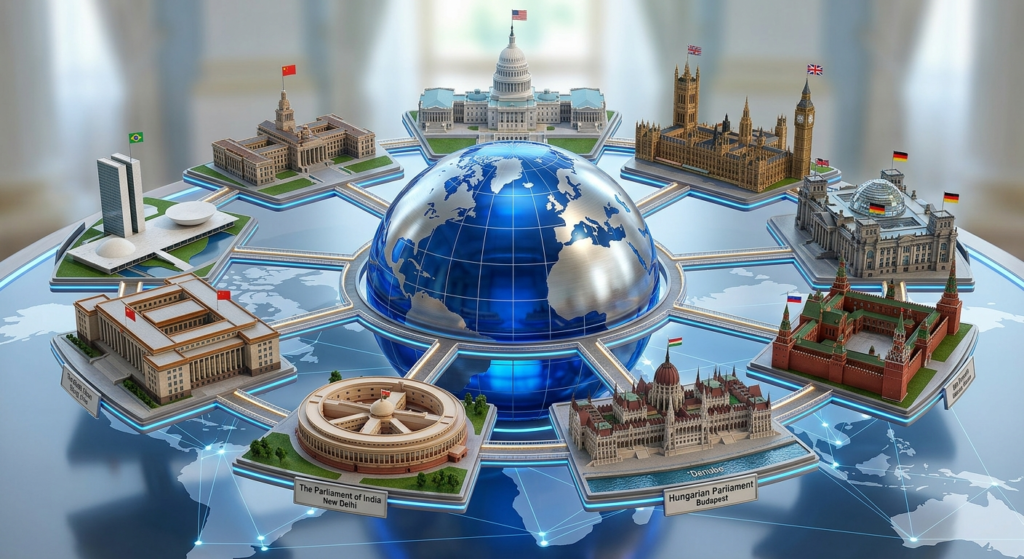
In other cases, countries intentionally build new capitals. Brasília was created in the 1960s to encourage development in Brazil’s interior. Canberra was established as a compromise between Sydney and Melbourne, which both wanted to be Australia’s capital.
Some nations relocate their capitals for strategic reasons, better geographic positioning, or economic development goals.
Famous Capitals of Europe
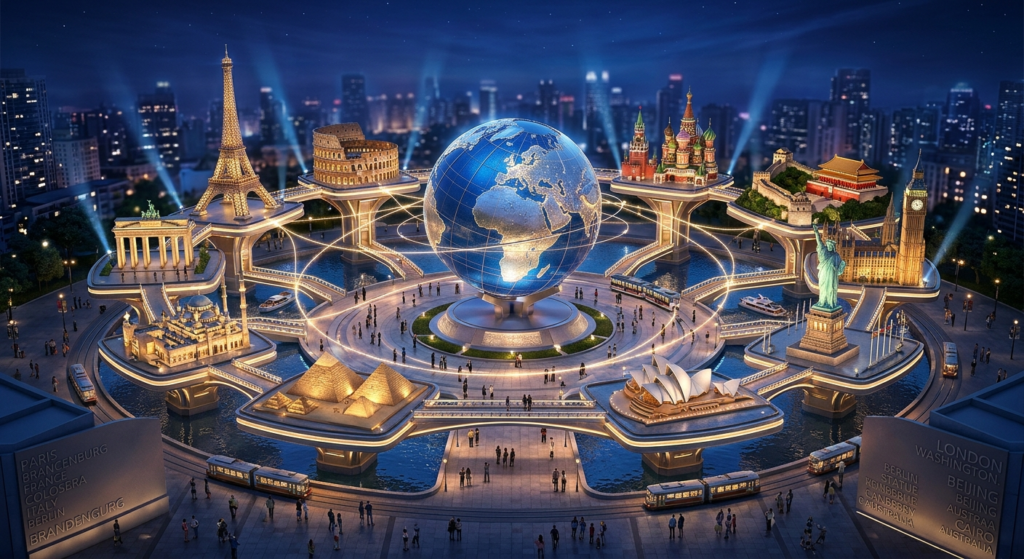
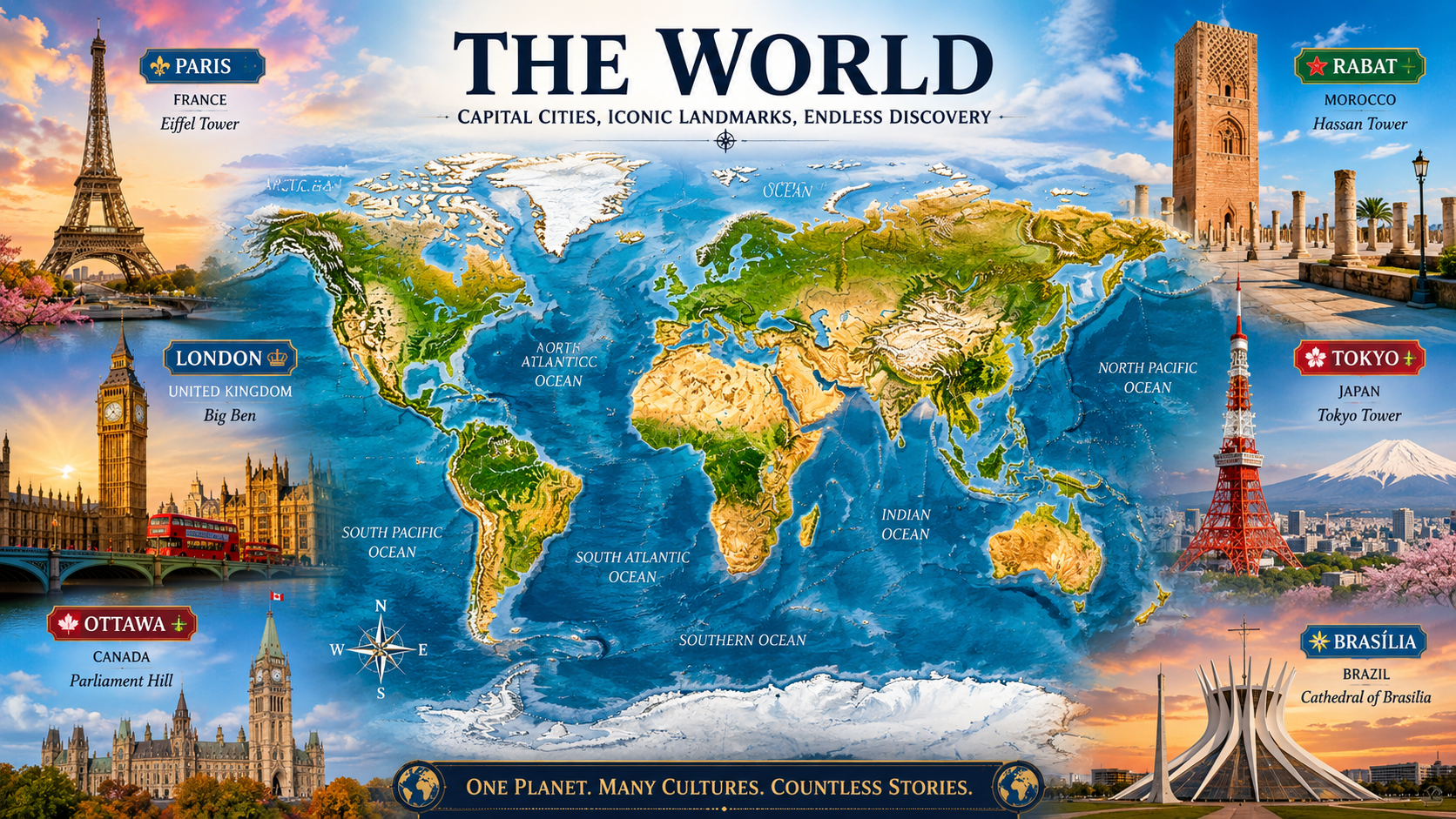
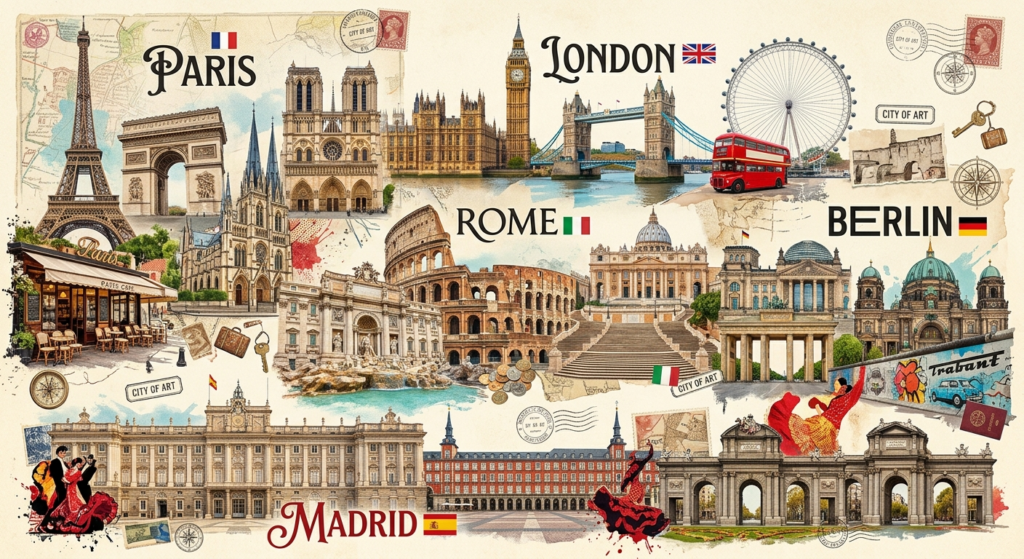
Europe contains many of the world’s most recognizable capitals. Paris is famous for the Eiffel Tower and its artistic heritage. London is known for Big Ben, Buckingham Palace, and centuries of political influence. Berlin reflects Germany’s modern history and reunification.
Rome, one of the oldest continuously inhabited capitals in the world, combines ancient Roman ruins with modern government institutions. Madrid, Lisbon, Vienna, Prague, and Athens each contribute unique cultural identities that attract millions of visitors annually.
European capitals often preserve historical architecture while embracing modern innovation, creating fascinating contrasts between past and present.
Explore European capitals:
https://education.nationalgeographic.org/resource/capital-city/
Capitals of Asia: Ancient Traditions and Modern Cities
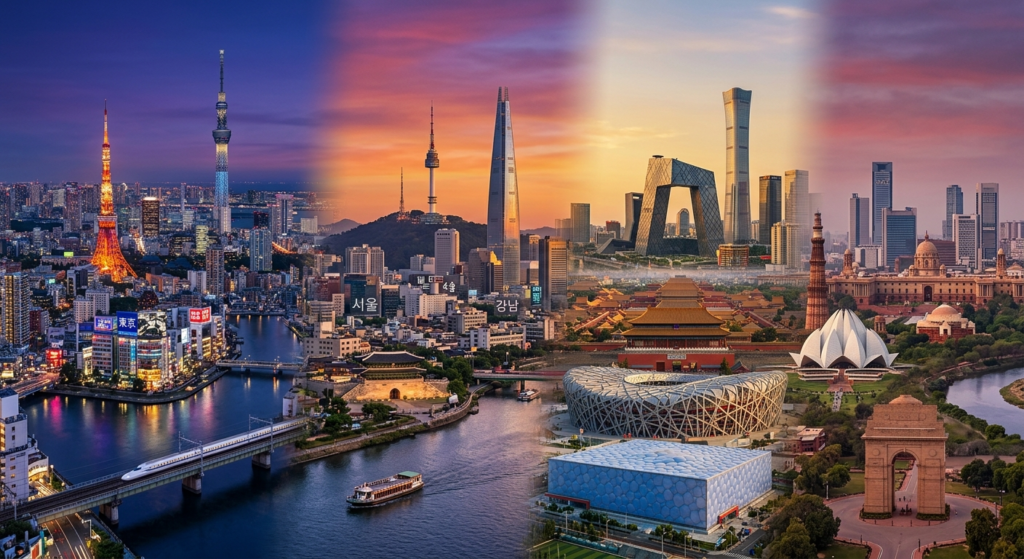
Asia is home to some of the world’s largest and most dynamic capitals. Tokyo combines cutting-edge technology with centuries-old traditions. Beijing serves as China’s political center while preserving historic landmarks like the Forbidden City.
Seoul has transformed into a global technology hub while maintaining strong cultural traditions. New Delhi reflects India’s diversity and history, while Bangkok serves as Thailand’s cultural and governmental heart.
Many Asian capitals showcase rapid urban development alongside deep historical roots, making them fascinating examples of how cities evolve over time.
African Capitals and Their Diversity
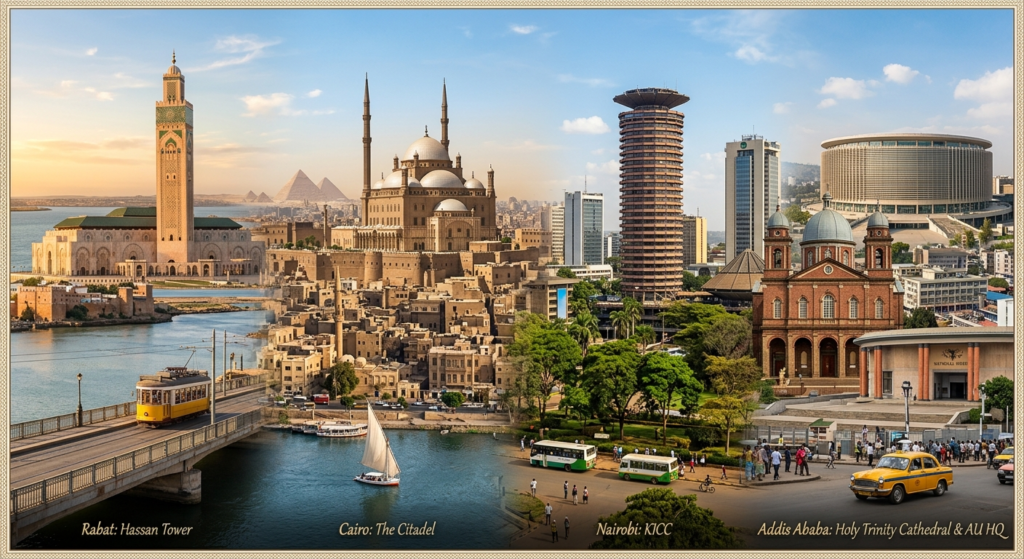
Africa’s capitals reflect incredible diversity in geography, culture, and history. Rabat serves as Morocco’s political capital while preserving rich historical heritage. Cairo stands as one of the world’s oldest great cities and remains a major center of culture and education.
Nairobi, Addis Ababa, Dakar, Accra, and Pretoria all play significant roles within their respective regions. Many African capitals have experienced rapid growth and modernization while maintaining strong cultural identities.
These cities demonstrate the diversity of the African continent and its growing importance in global affairs.
Capitals of the Americas
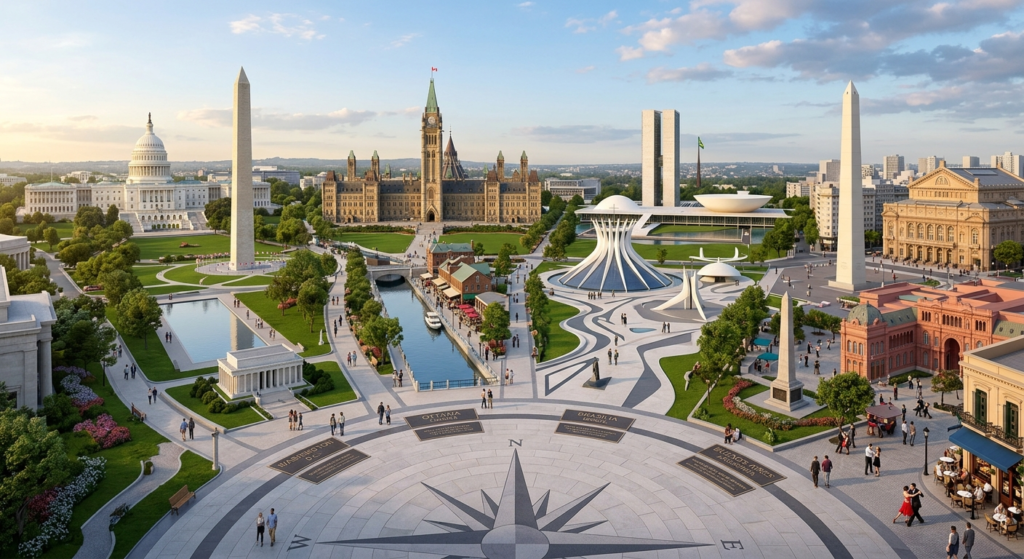
The Americas contain capitals ranging from ancient cultural centers to carefully planned modern cities. Washington, D.C. serves as the capital of the United States. Ottawa is Canada’s capital, while Mexico City ranks among the largest metropolitan areas in the world.
In South America, Brasília stands out as one of the world’s most famous planned capitals. Buenos Aires combines European architectural influences with unique Argentine culture. Santiago, Lima, Bogotá, and Quito each serve as important political and cultural centers.
Many American capitals are known for their diverse populations and vibrant cultural scenes.
Capitals of Oceania
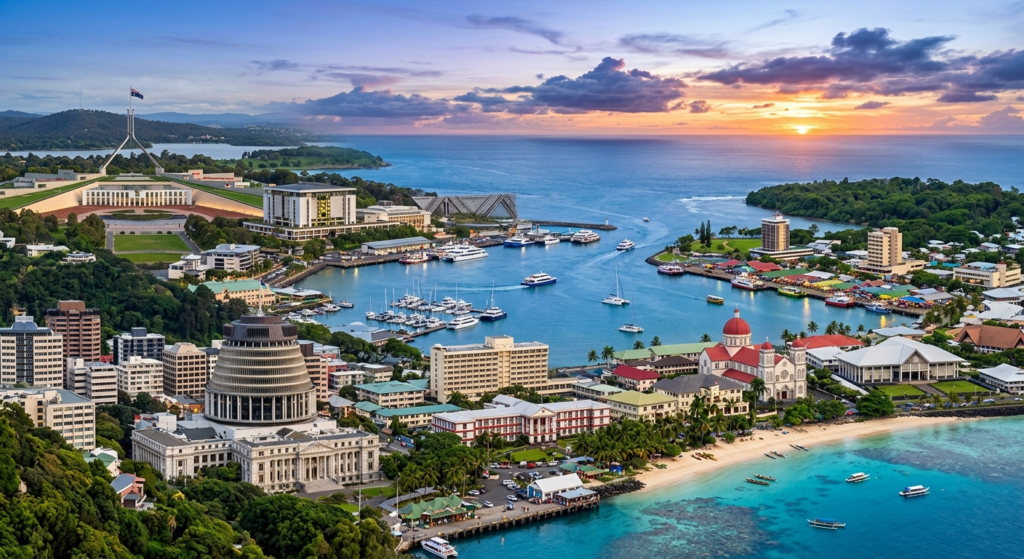
Oceania includes some of the world’s most geographically unique capitals. Canberra serves as Australia’s administrative center. Wellington, New Zealand’s capital, is famous for its harbor and creative industries.
Pacific island capitals such as Suva in Fiji and Port Moresby in Papua New Guinea play important roles despite their relatively small populations.
These capitals often face unique environmental challenges while serving as gateways to some of the world’s most beautiful natural landscapes.
Planned Capitals Around the World
Not all capitals developed naturally over centuries. Some were carefully designed and built for administrative purposes.
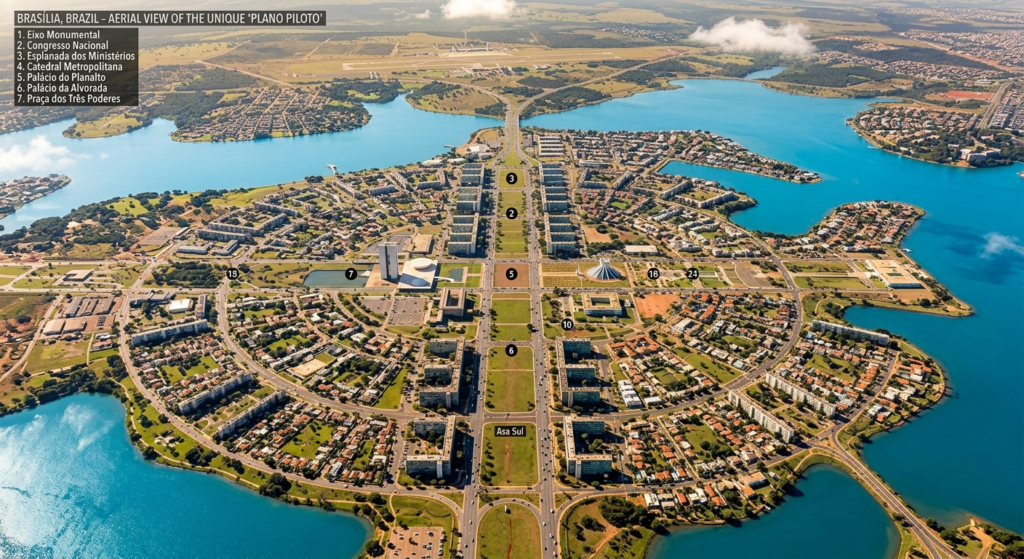
Brasília is perhaps the most famous planned capital. Designed by architect Oscar Niemeyer and urban planner Lúcio Costa, the city features a distinctive layout visible from the air.
Canberra and Islamabad are other examples of planned capitals. These cities were created to address political, geographic, or developmental needs.
Planned capitals offer valuable insights into urban planning and national development strategies.
Learn more about Brasília:
https://whc.unesco.org/en/list/445/
Capitals and National Identity
Capital cities often symbolize a nation’s values, achievements, and aspirations. National monuments, museums, memorials, and government buildings help communicate a country’s history and identity.
Visitors often learn about a nation through its capital. These cities host major celebrations, diplomatic events, and cultural festivals that represent the country to the world.
As a result, capitals frequently become symbols that citizens recognize and take pride in.
Interesting Facts About World Capitals
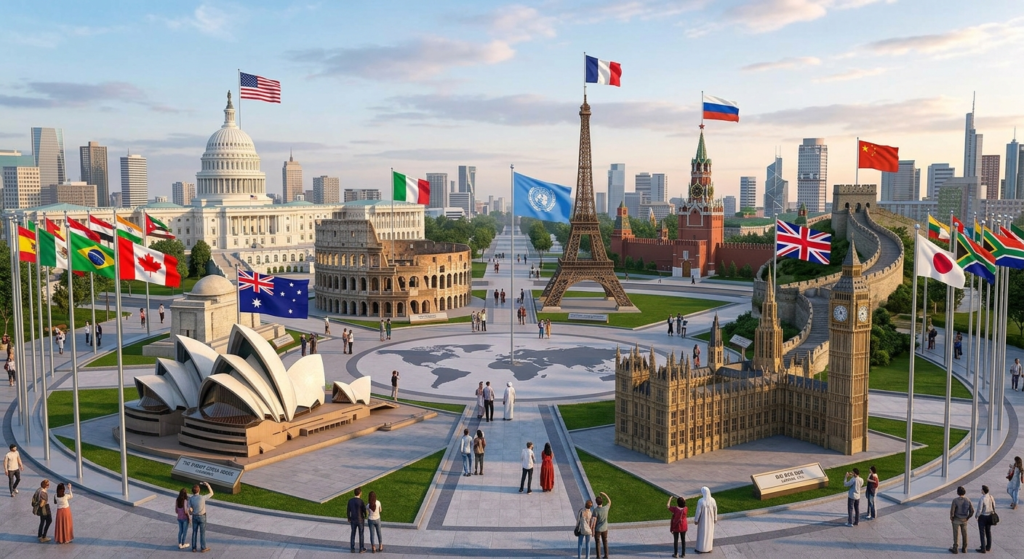
Several capitals have surprising stories:
- Canberra was chosen as a compromise between Sydney and Melbourne.
- Brasília was built in less than five years.
- Cairo has been an important center of civilization for more than a thousand years.
- Ottawa was selected by Queen Victoria in 1857.
- Tokyo is one of the world’s largest metropolitan areas.
- Rabat is one of the four imperial cities of Morocco.
- Wellington is often called the world’s southernmost capital of a sovereign state.
These facts demonstrate that capitals are much more than administrative centers—they are living pieces of history.
Why Learning Capitals Matters
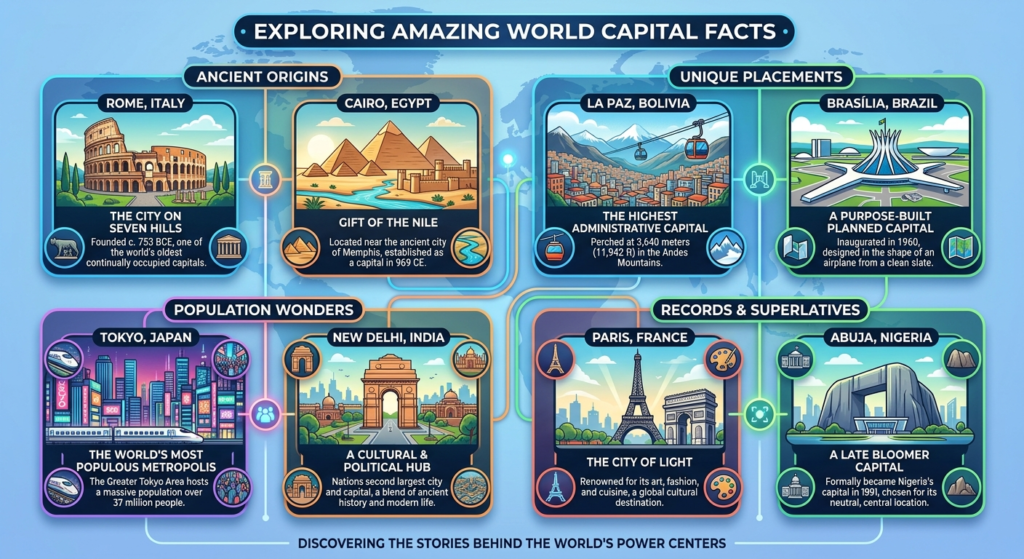
Learning capitals improves geographic literacy and helps people understand global affairs. Knowing where governments are located makes it easier to follow international news, economics, diplomacy, and history.
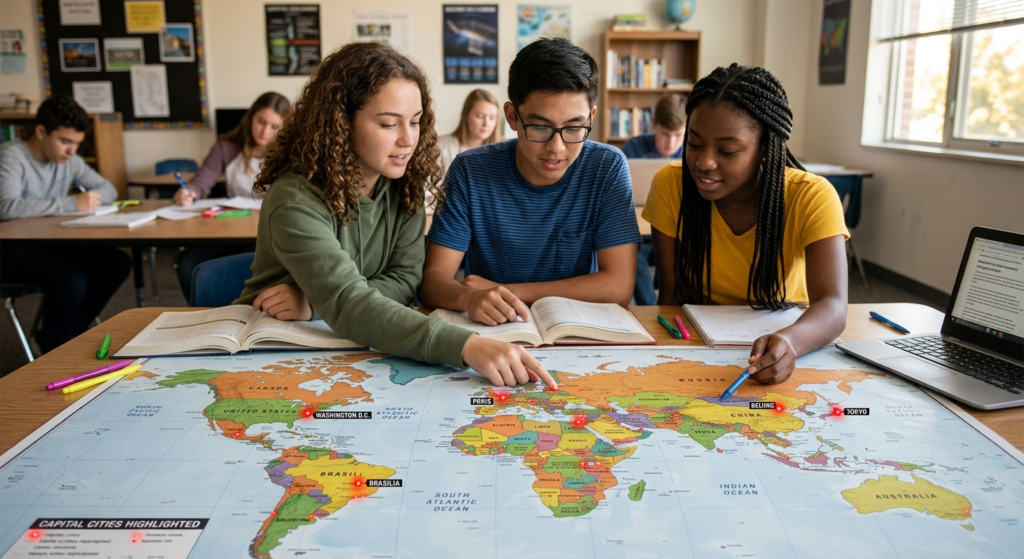
Students often begin geography education by learning capitals because these cities serve as reference points for understanding countries and regions.
World capitals also encourage curiosity about different cultures, languages, and traditions.
Conclusion
Capital cities are the political and cultural hearts of nations. They represent history, identity, leadership, and development. From historic cities such as Cairo, Paris, and London to modern planned capitals like Brasília and Canberra, each capital tells a unique story about the country it serves.
This world capitals quiz offers a fun way to strengthen geographic knowledge while exploring the fascinating diversity of cities around the globe. Understanding capitals helps us better understand the world itself, making geography both practical and endlessly interesting.